Renting Out Part of Your Home: What Nobody Tells You Before You Say Yes
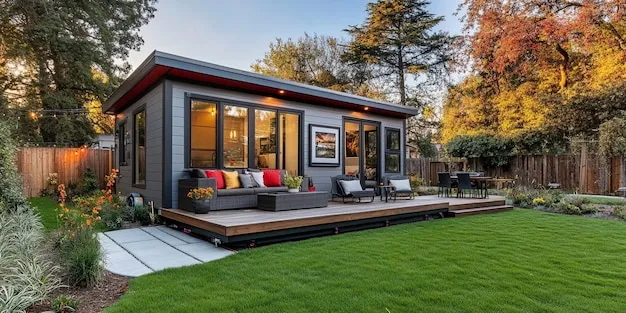
Photo: backyard ADU accessory dwelling unit modern small house garden, via img.freepik.com
The spreadsheet always looks good. You run the numbers on a basement apartment or a backyard ADU, factor in the rental income, subtract the mortgage offset, and suddenly your house is paying for itself. It's a compelling vision, and in a lot of cases, it's financially sound.
But money isn't the whole story — and for many homeowners who've gone down this road, the part nobody warned them about wasn't the finances. It was everything else.
This isn't an argument against renting out part of your home. It's an argument for going in with your eyes open.
The Three Paths (and What Each One Actually Involves)
Before anything else, it helps to be clear about what you're actually considering, because "renting out part of my home" covers a pretty wide range of arrangements.
Short-term rentals (Airbnb, Vrbo, and similar platforms) offer maximum flexibility and often higher nightly rates, but they come with constant turnover, guest communication, cleaning coordination, and the emotional reality of strangers moving through your space on a near-weekly basis. They also face increasing local regulation — many cities across the US have tightened short-term rental rules significantly in recent years, so checking your local ordinances isn't optional.
Long-term tenants — renting a basement unit, an in-law suite, or a separate entrance bedroom — provide steadier income and less operational chaos, but they also mean sharing your property with someone who has legal rights to be there. That changes the dynamic in ways that aren't always obvious until you're living them.
Accessory Dwelling Units (ADUs) — detached or attached secondary structures — offer the cleanest separation between your space and a tenant's, but they require upfront construction costs (often $100,000 to $300,000 depending on your market and scope), permitting headaches, and time. The financial case is often strong long-term, but the path there is longer than most people expect.
The Hidden Costs the Spreadsheet Misses
Let's talk numbers for a moment, because the rosy projections homeowners start with rarely account for everything.
For short-term rentals, platform fees typically run 3 to 5 percent for hosts, cleaning costs can run $80 to $200 per turnover depending on your market, and occupancy rates in most non-destination markets average 50 to 65 percent — not the 90 percent your optimistic calculation assumed. Factor in wear and tear, occasional damage, and the cost of your own time managing the listing, and the net income gets considerably less exciting.
For long-term rentals, vacancy periods between tenants, potential eviction costs (which in some states can run months and thousands of dollars), and the cost of repairs and maintenance between tenants are all real line items. Property management, if you choose to use it, typically runs 8 to 12 percent of monthly rent.
For ADUs, the return timeline is longer than the headlines suggest. A $200,000 build generating $2,000 per month in rent takes over eight years just to recoup the construction cost — before you account for financing, property taxes on the increased assessed value, or the income taxes on rental revenue.
None of this means the math doesn't work. In many cases it does, especially over time. But the calculation deserves honesty.
The Part That's Actually Harder: Your Peace of Mind
Here's what experienced landlords will tell you that the financial blogs often skip: the hardest part of renting out part of your home isn't the money. It's the mental and emotional overhead.
Sharing your property — even a separate unit — changes how your home feels. Homeowners who've done it describe a subtle but persistent shift in their relationship to their own space. You become more aware of noise. You think about the shared driveway, the trash schedule, the landscaping, in ways you didn't before. You have to be a landlord, which means navigating late payments, maintenance requests, and the occasional uncomfortable conversation.
For some people, this is completely manageable — even enjoyable. For others, it quietly erodes the sense of sanctuary that made them want to own a home in the first place.
Knowing which camp you're in before you commit is worth more than any projected rent figure.
Questions to Ask Before You Decide
A few honest questions that tend to cut through the excitement:
How do you handle conflict with people you can't easily avoid? A difficult tenant isn't like a difficult coworker you can mostly ignore. They live at your address.
What's your tolerance for unpredictability? Short-term rentals especially mean last-minute cancellations, surprise late check-ins, and guests who don't read the house rules. Long-term tenants can have life situations that spill into yours.
Do you have a financial cushion for vacancies? If the rental income becomes load-bearing in your monthly budget, a single vacancy or repair month can create real stress.
What does your local market actually support? Rental rates vary enormously by city, neighborhood, and unit type. Talk to a local property manager or check actual comparable listings — not national averages — before you build your projections.
What are the legal requirements in your jurisdiction? Landlord-tenant law varies dramatically by state. Some states are significantly more tenant-friendly, which affects your options if things go wrong.
Structuring It So It Actually Works
If you decide to move forward, the homeowners who report the best experiences share a few common practices.
Separate the spaces as cleanly as possible. The more physical and psychological separation between your living area and your tenant's, the better — for both of you. Separate entrances, separate utility meters where feasible, and clear boundaries set upfront make a meaningful difference.
Screen carefully and trust your instincts. For long-term tenants especially, the time you spend on thorough background and credit checks, reference calls, and an honest initial conversation is the best investment you'll make. A good tenant is genuinely a joy. The wrong one is a year-long lesson.
Write everything down. A clear lease that covers noise, guests, parking, pet policies, and maintenance responsibilities protects both parties and eliminates the ambiguity that causes most landlord-tenant friction.
Give yourself an exit ramp. Before you start, know what your off-ramp looks like if the arrangement isn't working. For ADUs, that might mean converting to a family suite or using it for aging parents. For basement rentals, it might mean reclaiming the space after a lease term. Having a plan B makes the whole thing feel less permanent.
The Bottom Line
Your home can absolutely generate income. Plenty of homeowners in this community have made it work beautifully — offsetting their mortgage, building long-term wealth, and creating arrangements that enhance rather than complicate their lives.
But the homeowners who thrive in this space are the ones who went in knowing what they were signing up for — financially and emotionally. The spreadsheet is just the starting point. The real question is whether this fits the life you actually want to be living.