Paying for the Past: How Childhood Home Memories Are Quietly Inflating Your Budget
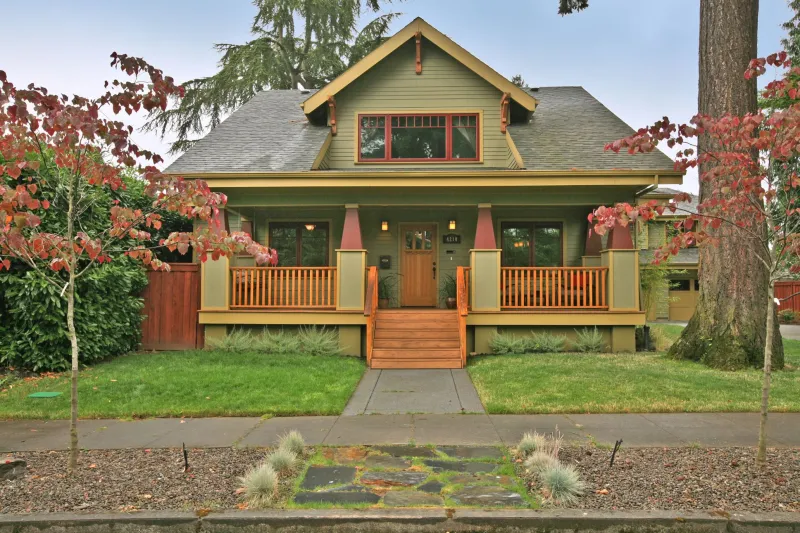
Photo: nostalgic craftsman bungalow house exterior with mature trees and porch, via i.pinimg.com
There's a moment a lot of buyers describe — standing in the doorway of a house they probably can't afford, feeling something they can't quite name. The light through the window looks familiar. The hallway smells like someone else's grandmother. The kitchen layout makes absolutely no logical sense for a modern lifestyle, and they want it anyway.
What's happening in that moment isn't random. It's nostalgia doing what nostalgia does best: making the past feel like a blueprint for happiness.
And in real estate, that feeling has a price tag.
The Memory Premium Is Real
Research in behavioral economics has long established that emotional attachment distorts financial decision-making. In housing markets, this shows up in a very specific way: buyers routinely overpay for properties that match a mental image they've been carrying around since childhood.
Think about the architectural styles that consistently command premiums in markets across the country — craftsman bungalows in the Pacific Northwest, colonial revivals in New England, brick ranch homes throughout the Midwest. These aren't just popular because they're objectively superior. They're popular because millions of Americans grew up in or around them, and that familiarity reads as desirability.
Realtors will tell you, often with a knowing smile, that the buyers who fall hardest — and fastest — are the ones who say things like "this reminds me of my grandparents' place" or "we had a house just like this when I was growing up." Those buyers almost never negotiate as hard. They're not shopping for a home. They're shopping for a feeling.
What the Nostalgia Tax Actually Looks Like
Let's be concrete about this. Say you grew up visiting a relative in a 1940s Tudor-style home in a leafy suburb. The steeply pitched roofline, the arched doorways, the diamond-pane windows — these details are burned into your memory as shorthand for safety, warmth, and belonging.
Fast forward thirty years. You're house hunting in a metro area where those Tudors exist but are rare. Because they're rare and emotionally resonant to buyers like you, they're priced at a premium — sometimes 10 to 20 percent above comparable square footage in more neutral architectural styles. You tour one, feel that familiar pull, and suddenly the asking price feels almost beside the point.
That gap between what you'd rationally pay and what you'll emotionally pay? That's the nostalgia tax. And in competitive markets like Chicago's north suburbs, parts of Connecticut, or older neighborhoods in cities like Denver and Portland, it can easily translate to tens of thousands of dollars.
The Psychology Behind the Pull
Psychologists use the term "place attachment" to describe the emotional bonds people form with physical spaces. These bonds aren't superficial — they're tied to identity, security, and some of our earliest experiences of what home means.
The trouble is that our brains are exceptionally good at editing memories. The house you remember from childhood visits probably didn't have drafty windows, outdated wiring, or a layout that made no sense for daily life. Memory smooths those things out and hands you back a highlight reel. When you walk into a house that matches that reel, you're not evaluating the property in front of you — you're reuniting with an idealized version of the past.
This is worth sitting with, because the implications go beyond just overpaying. Buyers driven primarily by nostalgia sometimes end up in homes that genuinely don't fit their actual lives — houses with impractical floor plans, expensive-to-maintain period features, or locations that made sense for a different era but don't work for their current commute, school district, or social life.
How to Tell the Difference Between Preference and Echo
None of this means you should ignore your instincts or buy a house that leaves you cold. Emotional resonance matters. A home you love is worth something real.
The question is whether what you love is a genuine fit for who you are now — or a costume you're trying to wear to feel like someone from your past.
Here are a few questions worth asking yourself honestly before you make an offer:
Would you still want this feature if it cost 15% more than the alternative? If the answer requires a long pause, that's information.
Can you describe why this layout or style works for your daily life? Not why it feels good — why it works. If you can't, you might be rationalizing.
Have you toured homes with different architectural styles with genuine openness? If every other house feels like a consolation prize before you've even walked through the door, nostalgia may be running the show.
Would you recommend this house to a close friend in your exact situation? This mental shift — from buyer to advisor — often cuts through emotional noise quickly.
Separating the Meaningful from the Expensive
Some preferences rooted in childhood exposure are completely legitimate. If you grew up in a house with big windows and natural light and you've confirmed over decades that this genuinely affects your mood and daily happiness, that's real data about yourself. Prioritize it.
But if what you're really chasing is the feeling of a specific memory — and the house itself is just the vehicle — it's worth asking whether there are other, less expensive ways to get there. A craftsman bungalow's warmth, for example, often comes from its interior details: the built-ins, the wood trim, the cozy proportions. Some of those details can be added to a more affordably priced home with a less trendy exterior.
The point isn't to strip the emotion out of home buying. It's to make sure you're the one driving the decision — not a eight-year-old version of yourself who never had to worry about a mortgage.
A Word on Markets That Know What You Want
One more thing worth knowing: in many sought-after markets, sellers and their agents are well aware that certain architectural styles attract emotionally motivated buyers. Listing photos are styled to lean into that nostalgia. Open houses are staged to feel like a memory. This isn't manipulation exactly — but it is a reminder that the market is not neutral.
Going in with self-awareness is one of the most underrated advantages a buyer can have. When you know what emotional buttons are being pressed, you can still feel the feeling and then set it aside long enough to evaluate the actual investment you're about to make.
Your past shaped your taste. That's not a flaw. But your future deserves a house that fits your real life — not just a beautiful reminder of someone else's.