Before You Build That Backyard Cottage: A 2026 Reality Check on ADUs

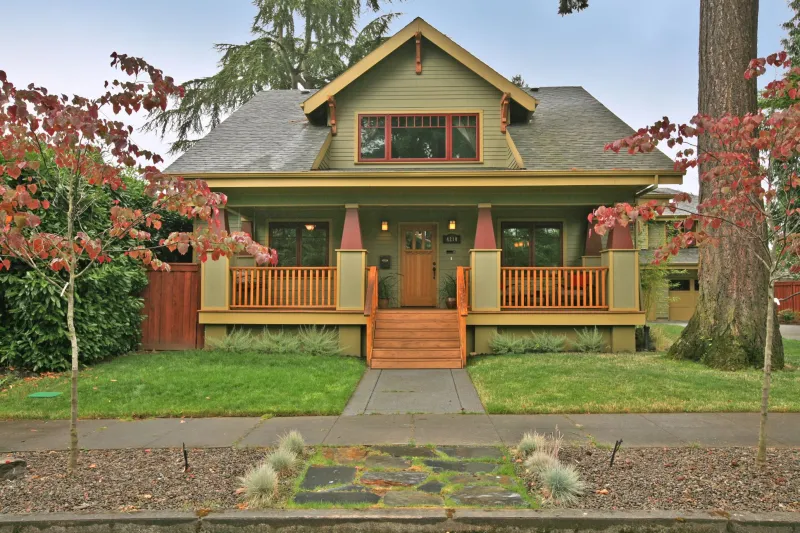
Photo: Internet Archive Book Images, No restrictions, via Wikimedia Commons
The backyard cottage fantasy is easy to sell: a tidy little house behind the main one, a tenant paying rent, and your property value quietly climbing. In 2026, accessory dwelling units — ADUs — are still having a moment, driven by high housing costs, remote work, multigenerational living, and a nationwide shortage of smaller homes.
But an ADU is not a shed with a bathroom. It is a construction project, a zoning question, a financing decision, and a relationship with your neighbors. The homeowners who come out ahead are usually the ones who treat it as a property investment first and a design dream second.
First, Name the Type of ADU You’re Actually Building
ADU is an umbrella term. The cost and complexity vary wildly by type:
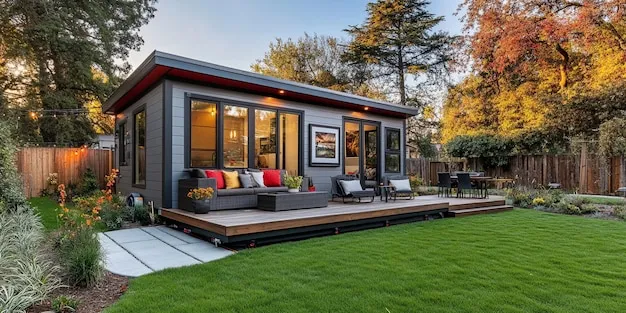
- Detached new construction. A standalone cottage in the backyard. Most expensive, most flexible, and usually the most complicated to permit.
- Attached ADU. An addition to the main house with its own entrance. Often cheaper than detached, but it can disrupt your existing floor plan and require major utility work.
- Garage conversion. Converts an existing garage into living space. Usually the fastest path, but you may lose parking — and some cities require replacement parking.
- Basement or bonus-room conversion. Uses existing square footage. Cheaper on paper, but ceiling height, egress, moisture, and separate access can eat the savings.
- Prefab or modular ADU. Factory-built units assembled on site. Can shorten the timeline, but site prep, foundations, utility hookups, and local approvals still matter.
Before you fall for a floor plan online, ask what your lot can physically hold. Setbacks, trees, slopes, drainage, and utility lines often decide the project before your taste does.
The Rulebook Comes Before the Blueprints
ADU rules are local — sometimes hyper-local. A city may allow them by right, require a conditional use permit, or restrict them to certain zones. You will need to check lot size, setbacks, height limits, lot coverage, parking requirements, owner-occupancy rules, short-term rental limits, and design standards.
Do not buy plans before you talk to your local planning department. Ask for a pre-application meeting, bring a survey, and get answers in writing when possible. If you live in an HOA, read the covenants before you spend a dollar. Historic districts and flood zones add another layer.
One more check: utility capacity. A detached unit may need a larger electrical service, a new water line, a sewer upgrade, or a separate meter. Those trenching and hookup costs are often the surprise line item that blows up a budget.
What It Really Costs in 2026
National averages are not your budget. In many US markets, a detached ADU can land anywhere from roughly $150,000 to $400,000, depending on region, site work, finishes, and whether you need utility upgrades. Garage conversions might run $60,000 to $150,000. Attached units often fall between $100,000 and $250,000. Prefab units can start lower, but site prep and hookups close the gap fast.
Do not forget soft costs: design, engineering, permits, impact fees, survey, geotechnical work, and landscaping. Then add a contingency of 15% to 20%. If that number makes you uncomfortable, the project is probably not ready.
Also, appraisal is not construction cost. Lenders may not credit the full ADU value until it is finished and rented. That matters if you plan to refinance.
Financing the Cottage Without Wrecking Your Budget
Common options include cash, a HELOC, a cash-out refinance, a construction loan, or an ADU-specific lender. Each has trade-offs. A HELOC is flexible but usually variable-rate. A cash-out refi may reset your low mortgage rate. A construction loan requires draws, inspections, and a builder who knows the process.
Run the deal with conservative rent, not the best-case number. Stress-test for a few months of vacancy and a rate increase. If the payment only works when everything goes right, it is not an investment — it is a hope.
Will It Actually Rent?
ADU rents do not always track whole-house rents. Look for comparable small units in your area: studios, one-bedrooms, basement apartments, and casitas. Ask about utilities, parking, and whether tenants share outdoor space. Long-term rentals are usually easier to underwrite than short-term rentals, especially where local rules restrict Airbnb-style use.
The strongest non-rental use cases are multigenerational living, a caregiver suite, a home office, or a guest space that can become rental income later. If you are building only for short-term rental income, check the regulations twice.
Design and Contractor Traps
A good ADU feels separate even when it is close. Plan for privacy, soundproofing, a separate entrance, its own HVAC, and enough storage that the unit does not spill into your yard. Fire separation, egress, ceiling height, and ventilation are not glamorous, but they are the difference between passing inspection and starting over.
Hire a contractor with documented ADU experience. Verify licensing and insurance, ask for references on similar projects, and insist on a clear scope. Watch for allowances that look low, change orders that feel inevitable, and builders who wave off utility upgrades.
The Neighbor Factor
Construction noise, parking, privacy, and trees can turn a good project into a neighborhood fight. Talk to adjacent neighbors early. Show them the site plan. Explain where the unit will sit, how tall it will be, and where tenants will park. Screen windows, add lighting carefully, and keep the construction site tidy.
Good neighbor relations will not fix a bad permit, but they make everything smoother — including the day your first tenant moves in.
A Simple Go/No-Go Checklist
Before you commit, answer these plainly:
- Does zoning allow the ADU type I want?
- Can my lot fit it with setbacks, parking, and utility access?
- Do I have a realistic all-in budget with contingency?
- Can I carry the payment through six months of vacancy?
- Have I checked HOA, historic, flood, and rental rules?
- Do I have an ADU-experienced contractor and a backup?
- Will I still like this project if rent comes in 15% below my estimate?
An ADU can be one of the smartest moves a homeowner makes in 2026. It can also be an expensive lesson in permits and optimism. The difference is usually not the cottage — it is the homework behind it.