Room to Breathe, Not Room to Clean: The Quiet Case for Buying Less House
For decades, the American home-buying story has been told in square feet. Bigger kitchen. Bigger garage. Bigger primary suite. But in 2026, a quieter counterargument is showing up in open houses, planning meetings, and group chats: maybe enough is actually enough.
The “enough house” movement is not a tiny-house fantasy or a lecture about minimalism. It is a practical question. How much space do you really use? How much does that space cost to own, heat, insure, furnish, and maintain? And what would you do with the money and time if you stopped paying for rooms you rarely enter?
That question looks different for an empty-nester in Ohio than for a young couple in California. But the underlying idea is the same: fit the house to the life, not the life to the house.
What “Enough House” Actually Means
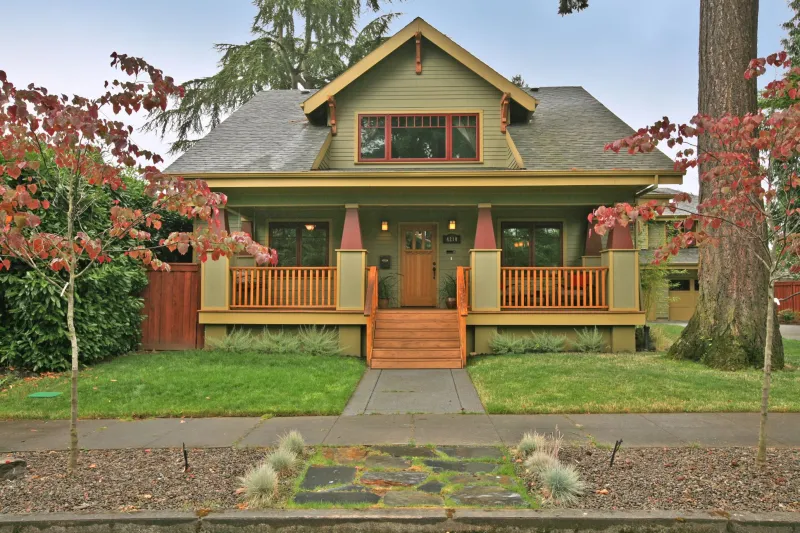
Enough house is not a number. It is a relationship between your household, your stage of life, and your priorities. A 1,200-square-foot bungalow can feel generous to a single person who works from home and hosts twice a month. A 2,400-square-foot colonial can feel cramped to a family of five with two remote workers and a grandparent nearby.
Enough means the house supports your daily routines without demanding constant maintenance, cleaning, and furnishing. It means you can afford the mortgage and the roof. It means the rooms you pay for are rooms you actually use.
The Empty-Nester Reckoning
For many older homeowners, the trigger is simple: thekids moved out, but the house did not. There is a formal dining room used twice a year, a bonus room that became storage, and a lawn that takes every Saturday morning.
Downsizing can unlock equity, lower utilities, reduce maintenance, and create financial breathing room before retirement. It can also mean leaving a neighborhood, shedding a workshop, or giving up the guest room where grandchildren sleep.
The smart move is not to downsize on a whim. Some empty-nesters are better off aging in place with a modified first floor. Others want a lock-and-leave townhome near friends. The right answer depends on health, hobbies, family proximity, and how much you actually enjoy maintaining a large property.
The Younger Buyer’s Math
Younger buyers often come to “enough house” from a different direction: they cannot afford the oversized house their parents bought. Starter homes are scarce in many markets, and high rates make every extra square foot expensive. A smaller house, townhome, or condo can be a strategic first step rather than a forever compromise.
The trade-offs are real. Less privacy. An HOA. A smaller yard. Fewer bedrooms for a future family. But there is also an opportunity cost to stretching for the biggest house you can qualify for. Money tied up in square footage cannot go toward emergency savings, career flexibility, or a shorter commute.
For some buyers, enough house means buying less now and gaining options later. For others, it means renting longer and saving. Neither is failure.
The Costs That Don’t Show Up in the Listing
Square footage has a way of multiplying expenses. More rooms mean more furniture, more paint, more flooring, more windows, and more places for clutter to hide. A larger roof costs more to replace. A second HVAC system doubles the service calls. A big lawn means more water, more equipment, and more time.
Then there are the invisible costs: heating and cooling unused rooms, insuring a larger structure, and paying property taxes on space you do not need. Add the emotional cost of maintaining rooms that never feel finished.
Design Moves That Make Less Square Footage Feel Generous
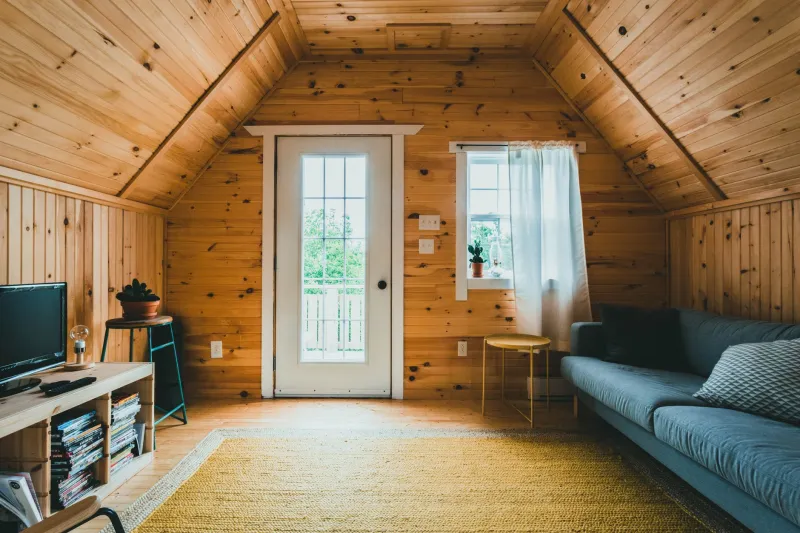
Small can feel tight, but it can also feel calm, efficient, and surprisingly open. The difference is design.
- Use light. Keep window treatments simple and paint walls in light, warm tones.
- Protect sightlines. Fewer walls and lower furniture can make a small room feel larger.
- Build in storage. Benches, window seats, closet systems, and wall niches reduce clutter.
- Choose multipurpose rooms. A guest room that doubles as an office. A dining table that works for projects.
- Go vertical. Shelving, tall cabinets, and hooks use height instead of floor space.
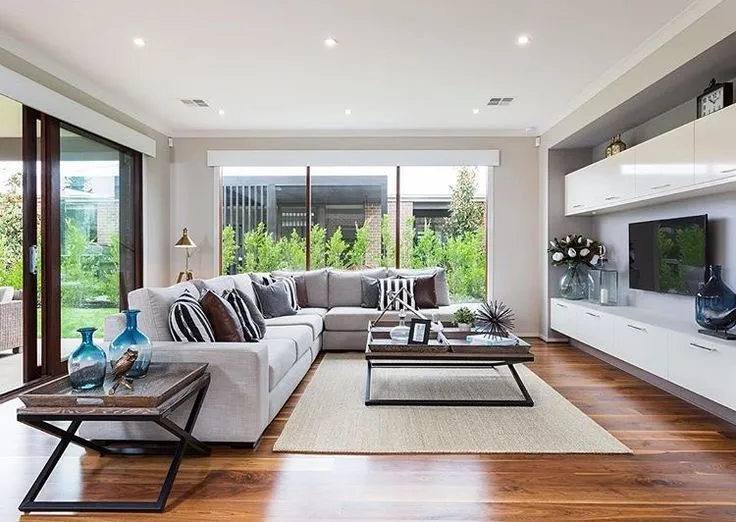
- Scale furniture to the room. A giant sectional can shrink a living room; a loveseat and two chairs can open it up.
- Treat the outdoors as a room. A porch, patio, or garden extends living space without adding square footage.
Quality matters more in a smaller home. Fewer pieces, better materials, and intentional storage go a long way.
The Emotional Side: Status, Space, and Stuff
A big house has long been a symbol of success. It says you made it. It holds the holidays, the guests, the toys, the treadmill. Letting go of that symbol can feel like losing status, even when the mortgage is drowning you.
But status is expensive. So is storing things you do not use. The “enough house” conversation is really a conversation about what you want your home to do for you. Host? Protect? Impress? Restore? The answer changes by season of life.
This is not a case for everyone to downsize. Families with young children, multigenerational households, and people who run businesses from home may genuinely need more space. The point is to choose it deliberately, not by default.
A Decision Framework
Ask yourself:
- Which rooms do I use every week?
- What do I actually host, and how often?
- What is my cost per used square foot?
- Can I afford the repairs and upkeep on this house for the next decade?
- Would a smaller home improve my commute, savings, or free time?
- Does this house fit my life five to ten years from now?
Enough house is not a sacrifice. It is a trade. You give up some space and gain time, money, or flexibility. For a growing number of Americans in 2026, that trade is starting to look less like settling and more like freedom.