Still Living in Chapter One: How Emotional Attachment Keeps Your Home Frozen in Time
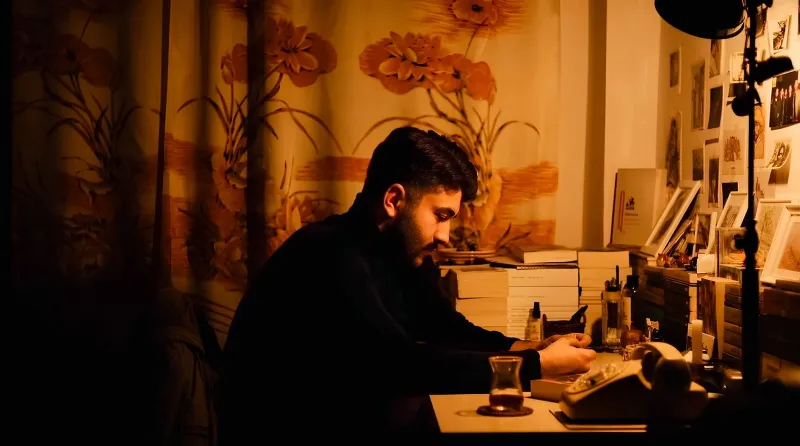
Walk through enough homes and you start to notice a pattern. There's always a room — sometimes two — that feels like it belongs to a different era. The furniture is slightly off-trend. The color palette screams a specific decade. And when you ask the homeowner about it, they get this look on their face. Soft. A little defensive. "We've just never gotten around to changing it."
Except that's rarely the whole story.
For a lot of us, our homes aren't just places to live. They're physical timelines — layered with the versions of ourselves we used to be, the people we've loved, the life stages we've moved through. And sometimes, without even realizing it, we stop letting our spaces grow alongside us. We freeze them. We turn them into museums dedicated to a past self who may not even exist anymore.
Sound familiar? You're not alone — and you're definitely not weird for feeling this way.
Why We Hold On (Even When It Doesn't Make Sense)
Psychologists have a term for the way we assign meaning to objects and spaces: place attachment. It's the emotional bond we form with environments that have witnessed important moments in our lives. Your home isn't just drywall and hardwood floors — it's the backdrop to your story.
The problem is that stories evolve, but rooms don't update themselves.
Maybe the nursery stayed a nursery long after the kids left for college because converting it felt like admitting they weren't coming back the same way. Maybe the home office still has the same setup from your old career because changing it feels like fully committing to a new direction you're still not sure about. Maybe the living room still has the couch your late parent used to sit on, and moving it feels unthinkable.
None of that is irrational. All of it is deeply human. But it can quietly trap you in a home that serves who you were rather than who you are.
The Hidden Cost of the Memory Room
Here's where things get practical — and a little uncomfortable.
Holding onto spaces that no longer reflect your current life isn't just an emotional inconvenience. It has real, tangible costs. A room that's been repurposed as a storage space for sentiment isn't generating value for you. It's not improving your quality of life. And if you ever decide to sell, it can actually drag down your home's appeal to buyers who can't see past the clutter of someone else's past.
There's also a subtler cost: the daily friction of living in a space that doesn't quite fit. You might not consciously register it, but navigating a home that doesn't match your current lifestyle creates low-grade stress. Your environment shapes your mood, your productivity, and even your sense of identity. When your home is whispering "you used to be this person," it makes it harder to fully inhabit who you're becoming.
How to Know If You're Stuck
Ask yourself a few honest questions:
- Is there a room in your home you avoid decorating because it feels emotionally loaded?
- Have you turned down a functional upgrade because changing the space felt like a betrayal?
- Do guests comment on the contrast between updated areas of your home and one that seems stuck in a different decade?
- Does the thought of repainting, redecorating, or repurposing a specific room bring up feelings that seem disproportionate to the task?
If you answered yes to any of these, you might be housing a memory room — and it might be time to have an honest conversation with yourself about what it's actually costing you.
Evolving Without Erasing
The good news: updating your home doesn't have to mean bulldozing your past. The goal isn't to scrub away every trace of who you used to be. It's to find a way for your space to honor your history and support your present.
Start with a single object, not the whole room. If a full redesign feels overwhelming, begin by identifying the one item in the space that holds the most meaning. Keep it. Display it intentionally. Then give yourself permission to update everything around it. That piece becomes the anchor — a deliberate nod to your history rather than a default setting you never questioned.
Reframe the act of changing as an act of respect. Letting go of the way a room used to function isn't the same as letting go of what happened there. You can convert the nursery into a home gym and still carry every memory of your kids growing up. The memory lives in you, not in the paint color.
Document before you dismantle. If part of your hesitation is the fear of losing the feeling a room holds, try photographing it in detail before you change anything. Some homeowners even create a small physical album or shadow box with items from a room they're transitioning. It's a way of archiving the chapter without being stuck in it.
Bring someone else in. It's hard to be objective about spaces we're emotionally invested in. A trusted friend, a designer, or even a community like this one can offer perspective that's hard to access on your own. Sometimes you just need someone to say, "I think you're ready for this" before you can believe it yourself.
Give yourself a timeline, not a deadline. There's a difference between dragging your feet indefinitely and giving yourself intentional, structured time to process a change. Tell yourself you'll sit with the idea for a month, then revisit. That's not avoidance — that's being kind to yourself while still moving forward.
Your Home Should Grow With You
One of the things we talk about a lot here at Home Lover Club is the idea that your home is a living thing. It breathes and shifts and reflects who you are at any given moment. The most beautiful homes aren't the ones that look like they were designed once and never touched again — they're the ones that show the fingerprints of a life actually being lived.
That means making room for the person you're becoming, not just preserving the person you were.
Your past deserves to be honored. Your present deserves to be lived in. And your home — with a little courage and a willingness to let it evolve — can hold both at the same time.
So the next time you walk past that room and feel that familiar twinge of I should really do something about this, maybe listen to it. Not because the memories aren't worth keeping, but because you are worth more than a house that stopped growing when you didn't.