One House, Three Generations: How Families Are Redesigning Homes to Live — and Thrive — Together
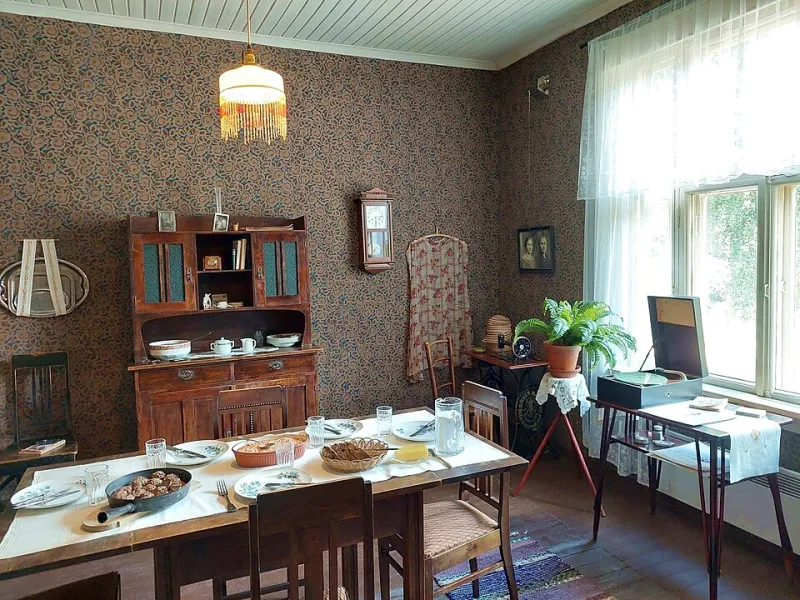
Photo: Tungsten, CC0, via Wikimedia Commons
Not that long ago, the idea of grandma moving in was something people whispered about at Thanksgiving dinner. Today? It's a full-blown design movement. Across the country, American families are intentionally building — and rebuilding — their homes to welcome multiple generations under one roof. And they're not just tolerating the arrangement. They're genuinely loving it.
According to the Pew Research Center, nearly 60 million Americans now live in multigenerational households. That number has been climbing steadily for over a decade, driven by a mix of rising housing costs, aging Baby Boomers, and a cultural shift toward staying connected as a family. The result? A whole new way of thinking about what "home" actually means.
Why More Families Are Going Multigenerational
Let's be honest — the finances alone make a compelling case. When two or three generations share a single property, the costs of housing, utilities, and even childcare get spread across more shoulders. Families report saving thousands annually on senior care, daycare, and separate mortgage payments. In high-cost metros like Los Angeles, Austin, and the New York suburbs, this kind of arrangement has gone from a last resort to a legitimate wealth-building strategy.
But the emotional payoff is just as real. Kids who grow up around grandparents tend to develop stronger family bonds, and older adults who stay engaged with younger family members report higher levels of wellbeing. There's something genuinely powerful about a home where the oldest and youngest members of a family are part of each other's daily lives.
The ADU Boom: A Backyard Revolution
If there's one design solution that's become synonymous with multigenerational living, it's the Accessory Dwelling Unit — or ADU. These secondary living spaces, sometimes called granny flats, in-law suites, or backyard cottages, have exploded in popularity across the US over the past five years, especially after California, Oregon, and other states loosened zoning restrictions to allow them more freely.
A well-designed ADU gives aging parents or adult children their own front door, their own kitchen, and their own sense of independence — while still keeping them close. Sizes typically range from a compact 300-square-foot studio to a full 1,000-square-foot one-bedroom unit. Costs vary widely by region and construction type, but many homeowners see ADUs as a dual-purpose investment: a place for family now, and a potential rental income source later.
If new construction isn't in the budget, converting an existing garage, basement, or large bedroom suite into a semi-independent living space can accomplish similar goals for a fraction of the cost.
Designing for Privacy Without Losing Connection
One of the trickiest parts of multigenerational living isn't the construction — it's the choreography. How do you design a home where everyone has enough personal space, but the family still actually interacts?
Architects and interior designers who specialize in this space talk a lot about "zones." The idea is to create clear spatial boundaries between private areas while keeping communal spaces — kitchens, dining rooms, outdoor patios — open and inviting. Separate entrances are a popular feature, allowing different family members to come and go without crossing through each other's living areas.
Soundproofing is another underrated consideration. Adding insulation between floors, using solid-core interior doors, and selecting quieter HVAC systems can make a huge difference in how livable a shared home actually feels day to day. Nobody wants to hear Grandpa's 5 a.m. news broadcast through the ceiling.
For families renovating a single-family home rather than building an addition, open-concept main floors work well for shared gatherings, while bedroom wings on opposite ends of the house offer natural separation.
Accessibility Matters More Than You Think
If you're designing or renovating with older adults in mind, accessibility features aren't optional — they're essential. The good news is that most of them also add long-term value to your home.
Think: zero-threshold shower entries, wider doorways (36 inches is the standard for wheelchair accessibility), grab bars in bathrooms, lever-style door handles, and single-floor living options. These aren't just safety features — they're the kind of thoughtful details that make a home genuinely comfortable for people of all ages and physical abilities.
The term "universal design" gets thrown around a lot in these conversations, and it's worth understanding. A universally designed home works well for a 4-year-old, a 40-year-old, and an 84-year-old. That kind of flexibility has real staying power, both in terms of livability and resale appeal.
What It Does to Your Home's Value
Here's the question every Home Lover Club member eventually asks: does all this renovation actually pay off when it's time to sell?
The short answer is yes — with some nuance. ADUs and in-law suites have become highly desirable features in many US markets, particularly in areas where housing inventory is tight. Buyers increasingly see these spaces as income-generating assets or future-proofing for their own families. In competitive markets, a well-executed ADU can add anywhere from $50,000 to well over $100,000 in appraised value.
The key word there is "well-executed." A finished basement conversion with proper permits and quality finishes tells a very different story than a slapdash room tacked onto the back of a house. If you're going multigenerational with resale in mind, do it right from the start.
Real Talk: It Takes More Than Good Design
No article about multigenerational living would be complete without acknowledging the elephant in the room — it can be hard. Boundaries, privacy, parenting differences, and the natural friction that comes from mixing life stages all require honest conversation before the first wall goes up.
Families who make it work tend to do a few things in common: they talk about expectations upfront, they build in physical spaces that allow for genuine alone time, and they treat the arrangement as a dynamic agreement that can evolve over time rather than a permanent, rigid setup.
The home can support all of that — but it can't do the relationship work for you.
Building a Home That Grows With Your Family
The multigenerational home isn't a compromise. Done thoughtfully, it's one of the most intentional, financially savvy, and emotionally fulfilling ways to live. Whether you're adding an ADU to house an aging parent, converting a basement for a returning college grad, or designing a brand-new build with three generations in mind from day one, the homes that work best are the ones designed around real relationships — not just square footage.
That's what the Home Lover Club community has always been about: building homes that actually fit the lives we're living. And right now, for a growing number of American families, that means making room for everyone.