Spend Smart, Sell Big: Which Home Upgrades Actually Pay You Back in 2024
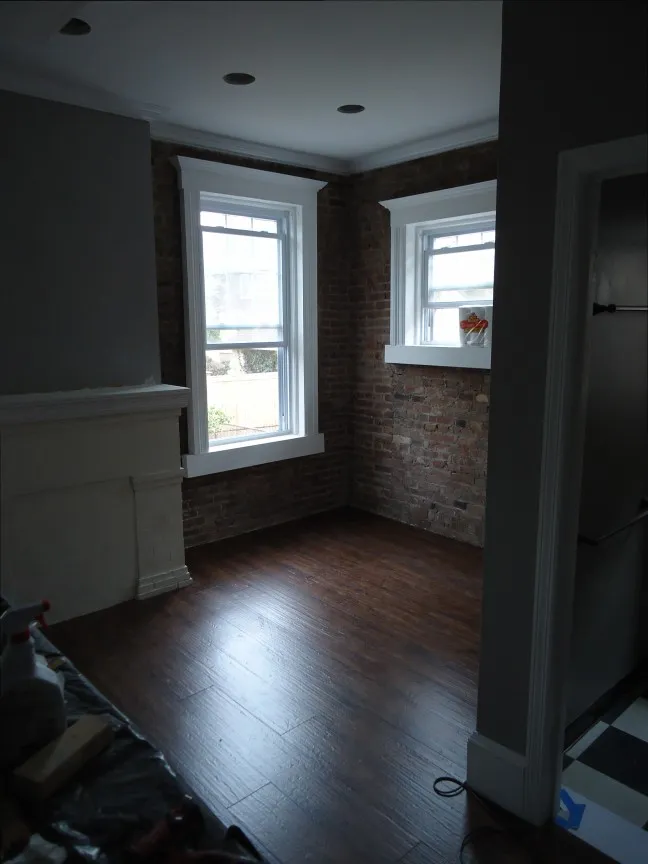
Photo: Tomwsulcer, CC0, via Wikimedia Commons
Every homeowner has stood in a dated kitchen or a dingy bathroom and thought, "If I just fix this up, I'll get so much more when I sell." Sometimes that's absolutely true. Other times, you're pouring money into a project that buyers won't even notice — or worse, one that narrows your buyer pool entirely.
Here at Home Lover Club, we love a good renovation story. But we love an informed renovation story even more. So we combed through 2024 real estate market data, talked to agents across the country, and put together a no-fluff breakdown of which home improvements actually move the needle on your property value — and which ones are basically just expensive hobbies.
The Myth of the "Always Worth It" Renovation
Let's start by busting a big one: the idea that any improvement automatically adds value. It doesn't. The National Association of Realtors' 2024 Remodeling Impact Report and Remodeling Magazine's annual Cost vs. Value study consistently show that most renovation projects recoup somewhere between 50% and 85% of their cost at resale — not 100%, and certainly not more.
That doesn't mean renovations aren't worthwhile. It means the why behind your project matters enormously. Are you improving your home for your own enjoyment? Great — spend freely on what makes you happy. Are you renovating specifically to maximize your sale price? Then every dollar needs a job.
The sweet spot is what we call the Strategic Improvement Zone: projects that improve buyer appeal, address functional concerns, and align with your local market expectations — all without going so custom that you price yourself out of your neighborhood.
The Winners: Projects That Consistently Deliver
Curb Appeal and Exterior Upgrades
If there's one category that punches above its weight, it's exterior improvements. A new garage door — one of the most unglamorous upgrades imaginable — continues to be one of the highest ROI projects year after year, recovering around 194% of its cost in some markets according to 2024 Cost vs. Value data. That's not a typo.
New exterior paint, updated landscaping, and a refreshed front door also rank high. Why? Because buyers form opinions within the first 30 seconds of pulling up to a property. If the outside looks tired, they're already mentally discounting before they've stepped inside.
Quick wins in this category:
- Garage door replacement
- Fresh exterior paint (neutral tones)
- New front door (steel or fiberglass)
- Clean, simple landscaping with mulch and edging
- Updated house numbers and outdoor lighting
Minor Kitchen Remodels
Here's where homeowners often go wrong: they think bigger means better returns. A full, high-end kitchen gut renovation can cost $80,000–$150,000 and typically recoups only 30–60% at resale. A minor kitchen remodel, on the other hand — new cabinet fronts, updated hardware, a modern faucet, fresh countertops, and new appliances — can cost $15,000–$25,000 and recover 70–85%.
Buyers want a kitchen that feels clean and functional, not necessarily a chef's dream. Unless you're selling a luxury property where buyers expect it, skip the custom cabinetry and imported stone.
Bathroom Refreshes (Not Full Overhauls)
Same principle applies in the bathroom. A midrange bathroom remodel — new vanity, updated fixtures, re-grouted tile, and a fresh coat of paint — delivers solid returns. A luxury master bath addition with radiant floors and a soaking tub? Much harder to recoup in most markets.
If your bathroom is genuinely outdated (we're talking pink tile from 1962), a refresh is necessary just to be competitive. If it's merely "not trendy," neutral updates are your friend.
Attic Insulation and HVAC Updates
Sexy? No. Effective? Absolutely. Energy efficiency upgrades consistently rank among the highest-ROI improvements because they address something every buyer thinks about: ongoing costs. Adding attic insulation can return over 100% of its cost in some regions, and a new HVAC system removes a major objection buyers raise during inspections.
The Losers: Popular Projects That Don't Pay Off
Swimming Pools
This one breaks hearts every summer. In most U.S. markets, a new inground pool costs $50,000–$100,000 and adds maybe $10,000–$20,000 in perceived value — and in some markets, it actually reduces your buyer pool because families with young kids, elderly buyers, or people who just don't want the maintenance will cross your listing off the list.
Exceptions exist in hot-weather markets like Phoenix, Miami, and parts of Southern California, where pools are nearly expected. Know your market before you dig.
Sunrooms and Room Additions
Adding square footage sounds like a surefire win. It's not. Sunrooms typically recoup around 40–50% of their cost. Formal room additions do better but still rarely hit 70%. The issue is that the cost of construction has skyrocketed since 2020, and the added square footage often doesn't translate to a proportional price jump in the eyes of appraisers.
Hyper-Personalized Finishes
Bold wallpaper, unusually themed rooms, ultra-niche design choices — these cost money to install and money to remove. Buyers pay for versatility. Anything that requires a buyer to immediately budget for a redo is working against you.
The Framework: How to Prioritize Based on Your Timeline
Not everyone is in the same situation, so here's a practical way to think about it:
Selling in under 6 months: Focus exclusively on cosmetic fixes, deep cleaning, decluttering, and curb appeal. Don't start major renovations — you won't finish them, or you'll rush them, and rushed work shows.
Selling in 6–18 months: This is your sweet spot for strategic upgrades. Tackle the minor kitchen and bathroom refreshes, address any deferred maintenance (roof, HVAC, windows), and invest in exterior improvements.
Selling in 2+ years: You have time to make improvements you'll also enjoy. Just keep resale in mind as you make decisions, and avoid hyper-personalized choices that could limit your future buyer pool.
The Bottom Line for Home Lovers
The best renovation strategy isn't about spending the most — it's about spending smart. Walk through your home with fresh eyes, or better yet, ask a trusted local real estate agent to do a pre-listing walkthrough. They'll tell you exactly what buyers in your specific market are noticing and what they're willing to pay for.
Your home is one of your most valuable assets. Treat improvement decisions like the investments they are: with data, intention, and a clear understanding of your goals. That's how Home Lover Club members build not just beautiful homes, but genuinely valuable ones.