Stuck Between a Home You Love and a Neighborhood That's Letting You Down
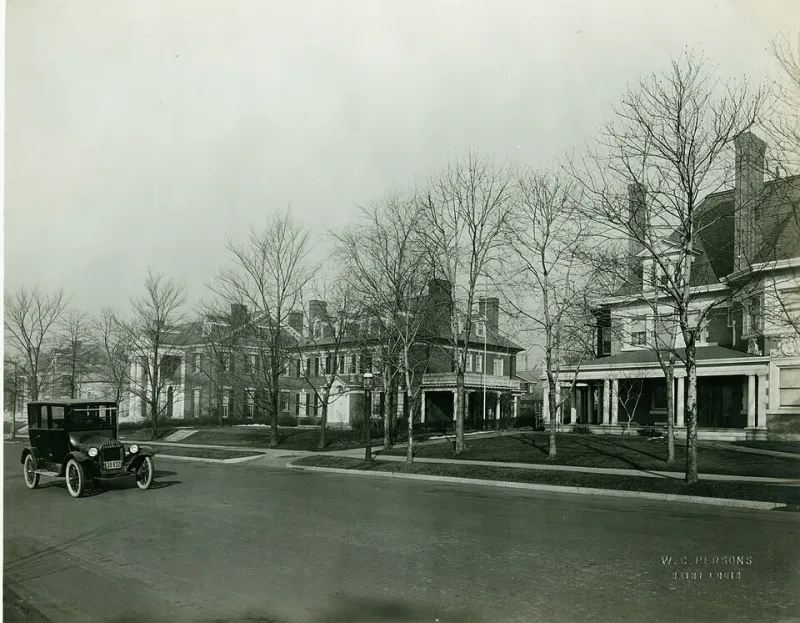
Photo: W.C. Persons, Public domain, via Wikimedia Commons
There's a particular kind of frustration that hits when you realize you love your house but you're not so sure about everything outside the front door anymore. Maybe the coffee shop you walked to every Sunday closed. Maybe a highway expansion changed the traffic patterns. Maybe the vibe of the block has just slowly, quietly shifted in a direction that doesn't feel like you anymore.
This is what we at Home Lover Club call the neighborhood paradox — and honestly, it's more common than most homeowners want to admit. The good news? It's not a dead end. There are real, practical ways to work through it.
Why Neighborhoods Change (And Why It Catches Homeowners Off Guard)
Neighborhoods are living things. They respond to economic shifts, local policy decisions, demographic changes, and even national trends. A once-quiet suburb can become a commuter corridor overnight when a new highway ramp opens. A walkable urban neighborhood can lose its charm when the independent businesses get priced out and chain stores move in.
The tricky part is that these changes are often invisible at closing time. You're focused on square footage, school ratings, and comparable sales — not on the five-year zoning plan or the commercial lease turnover rate on the main strip. And then life happens, and so does the neighborhood.
Your lifestyle priorities can shift just as much as the zip code itself. The young couple who bought a home near nightlife and restaurants may feel completely differently about that location once a toddler enters the picture. The remote worker who moved to a quiet rural area pre-pandemic might now crave more community and walkability. Neither scenario means you made a mistake — it just means it's time to reassess.
Red Flags Worth Taking Seriously
Not every neighborhood growing pain is worth uprooting your life over. But some signals genuinely deserve your attention:
- Rising vacancy rates. Empty storefronts and for-rent signs that linger for months can indicate economic stress in the area.
- Declining school ratings. If you have kids — or plan to — this one matters more than most.
- Infrastructure neglect. Potholes that never get fixed, streetlights that stay broken, parks that go unmaintained. These are signs of a municipality that may be stretched thin.
- Increasing crime trends. Don't rely on gut feeling here. Check local police data and platforms like NeighborhoodScout or SpotCrime for actual numbers.
- Property value stagnation. If your home's value has flatlined while comparable areas are growing, the neighborhood itself may be dragging your investment.
None of these are automatic reasons to sell, but they're worth tracking over time. If you're seeing multiple flags at once, that's a different conversation.
Strategies for Staying and Making It Work
Sometimes moving isn't the right answer — financially, emotionally, or practically. If you're committed to staying put, here's how to make the most of it:
Get involved locally. This sounds obvious, but it's genuinely underrated. Attending neighborhood association meetings, connecting with local business owners, and participating in city council sessions gives you both information and influence. Communities that are organized tend to recover and improve faster than those that aren't.
Invest in your immediate environment. If the block feels tired, be the house that raises the bar. Curb appeal upgrades, well-maintained landscaping, and a porch that invites conversation can do more for a street's energy than you'd expect. And yes, it protects your own property value in the process.
Build your community deliberately. If the neighborhood vibe has shifted, you may need to build the social life you want rather than waiting for it to come to you. Block parties, local Facebook groups, and neighborhood apps like Nextdoor can help you find the neighbors who share your values — they're often still there, just quieter.
Separate the house from the neighborhood. If your home itself genuinely serves your needs — the layout, the space, the commute distance — it's worth asking whether the neighborhood frustrations are things you can mostly insulate yourself from. Sometimes the answer is yes.
When Moving Is the Smarter Play
There are situations where staying becomes a financial and emotional drain. If property values are in genuine decline, if safety concerns are affecting your daily life, or if your lifestyle has shifted so significantly that the location no longer serves you, it may be time to move on — ideally before the market forces your hand.
The key is to make that decision proactively, not reactively. Homeowners who wait until they're desperate to sell often end up accepting less than they should. If you're tracking the red flags above and seeing a trend, it's worth having a conversation with a local real estate agent about what your exit timeline might look like.
How to Vet a Neighborhood Before You Buy Next Time
Once you've lived through a neighborhood mismatch, you get very motivated to avoid it the second time around. Here's what savvy buyers look for beyond the surface:
- Talk to actual residents. Not just your agent. Walk the neighborhood on a weekday and a weekend evening. Knock on a door or two. People will tell you things that no listing ever will.
- Research the zoning map. Is there undeveloped land nearby? What's it zoned for? A quiet green space can become a strip mall if you're not paying attention.
- Check permit activity. A surge in building permits is usually a positive sign of neighborhood investment. You can often look these up through the city's public records portal.
- Look at 10-year property value trends, not just the last 12 months. A single hot year can mask a longer pattern of stagnation.
- Assess the commercial corridor. Independent restaurants and specialty retailers tend to follow demand and signal neighborhood health. A main street full of national chains and payday loan shops tells a different story.
The Bottom Line
Loving your home and feeling conflicted about your neighborhood is a real tension — and one that more homeowners face than you might think. The answer isn't always to move, and it isn't always to stay. It's to be honest about what's actually happening, track the signals that matter, and make a deliberate choice rather than just drifting.
Your home is one of the biggest investments you'll ever make. The neighborhood it sits in is part of that investment. Treat both with the same level of attention, and you'll be in a much stronger position — wherever you end up.